Thinking about getting a hair transplant? You’re not alone! Taking the first step toward a fuller head of hair can be exciting (and maybe a little nerve-wracking). Let’s break down everything you need to know in a way that’s easy to follow—no more giant walls of text, just clear info and actionable tips.
How Do Natural Hair Transplants Actually Work?
So, what’s really going on during a hair transplant? Here’s the gist:
– Follicle Relocation: Healthy hair follicles (usually from the back or sides of your head) are moved to areas where your hair is thinning or bald.
– Why the Back/Sides? These spots are typically more “hair loss resistant,” thanks to genetics.
– It’s All About the Details: Surgeons look at things like hair thickness, curl, and density to make sure the results look natural.
– Precision Matters: The goal is to keep follicles alive and happy so they grow well in their new home.
For those considering options, reading an honest Estenove review can shed some light on different clinics and help set realistic expectations.
Quick takeaway: A good transplant looks seamless and lasts a long time because it respects how your hair naturally grows.
Getting Ready for Your Hair Restoration Journey
Before you even think about booking, here’s what you’ll want to do:
- Schedule a Consultation
Meet with a qualified hair transplant specialist. They’ll:
– Check how much hair you’ve lost
– See if you have enough donor hair
– Make sure you’re a good candidate
- Share Your Medical History
Be honest about:
– Any health issues
– Medications you’re taking
This helps avoid surprises on surgery day.
- Follow Pre-Op Instructions
Your doctor may tell you to:
– Stop blood thinners
– Skip alcohol and smoking before surgery
– Avoid certain supplements
Tip: The more prepared you are, the smoother everything goes!
Picking the Right Clinic & Specialist
All clinics are not created equal. Here’s what to look for:
Credentials & Experience
– Certified: Make sure your doctor is board-certified in hair restoration.
– Experienced: Ask about their track record with FUE and FUT procedures.
– Reputation: Check out reviews and before/after photos from real patients.
Technology & Techniques
– Modern Tools: Is your clinic using the latest tech (like robotic FUE)?
– Gentle Handling: They should focus on preserving each graft for best results.
– Less Downtime: Advanced methods mean you recover faster.
Location & Accessibility
– Convenient Location: Don’t pick a clinic that’ll require hours of travel—especially for follow-ups.
– Easy to Reach: Good signage, parking, and public transport options make life easier.
What Happens During the Procedure?
Let’s walk through a typical transplant day:
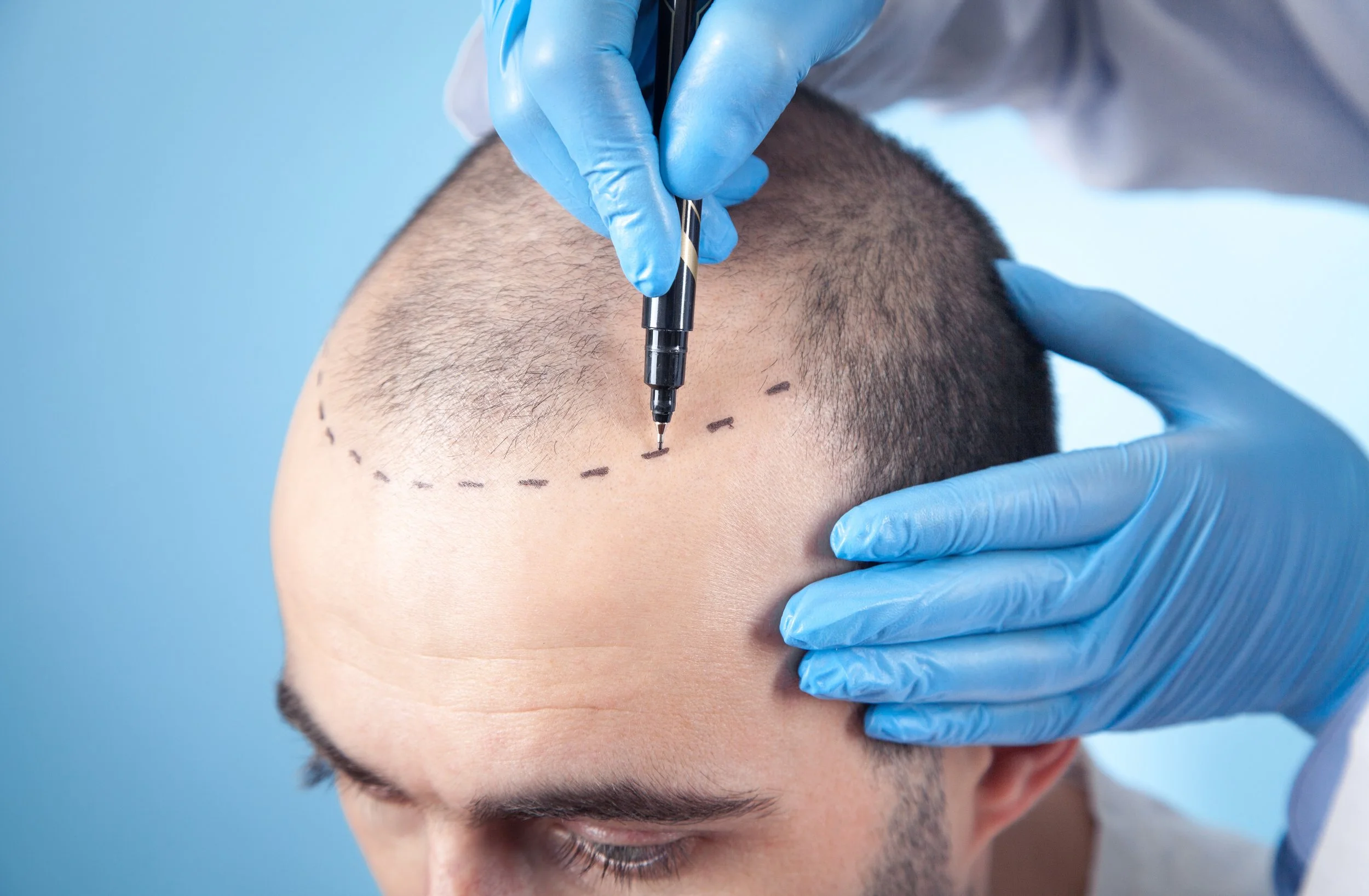
- Prep & Marking: The surgeon marks donor and recipient areas.
- Anesthesia: You’ll get local anesthesia (sometimes with a mild sedative).
- Follicle Extraction: Hair follicles are gently harvested.
- Graft Preparation: The follicles are prepped for transplant.
- Implantation: The doctor creates tiny sites and places the grafts to match your natural hairline.
- All Done! The whole process can take several hours.
How does it feel?
– You might feel a pinch with the anesthesia, then mostly numbness.
– Some people notice a little tugging or pressure, but pain is usually minimal.
Recovery Timeline:
– First few days: Expect some swelling and scabbing.
– 1 week: Scabs fall off, discomfort drops off.
– First month: You might shed some transplanted hairs (totally normal!).
– 3-6 months: New hair should start growing in.
– 12 months: Full results are usually visible.
Post-Transplant Care: What Now?
Taking care of your scalp is super important after a transplant:
– Gentle Cleaning: Use a mild shampoo, as recommended by your doctor. No scrubbing!
– Hands Off: Avoid scratching or picking at your scalp.
– No Sun: Protect your head from direct sunlight until you’re healed.
– Skip the Products: Don’t use gels, sprays, or anything with alcohol for a while.
Stick to your surgeon’s instructions—this is key for great results!
Managing Expectations & Tracking Progress
Hair restoration is a journey, not an overnight miracle. Here’s what helps:
– Realistic Expectations: Shedding after surgery is normal. Growth happens gradually over months.
– Track Progress: Take monthly photos to see changes you might miss day-to-day.
– Regular Check-Ins: Keep your follow-up appointments for the best advice.
Remember: Patience pays off. Hair growth is slow but steady!
Common Challenges (And How to Beat Them)
You might run into a few bumps along the way, such as:
– Scarring at the Donor Site: Choose an experienced surgeon to minimize this risk.
– Density Issues: Sometimes there isn’t enough donor hair for super-dense coverage.
– Emotional Ups & Downs: It’s normal to feel anxious about results—talk to your doctor if you have concerns.
– Cost: Quality transplants aren’t cheap, so budget accordingly.
– Lifestyle Adjustments: You’ll need to avoid smoking and heavy workouts for a bit.
Pro tip: Stay in communication with your clinic—they can help you through any hiccups.
Long-Term Tips for Healthy Hair Growth
Want to keep your hair looking its best? Try these:
– Eat Well: Protein, vitamins, and minerals support hair health.
– Stay Hydrated: Your scalp needs moisture, too!
– Manage Stress: Chronic stress can lead to hair loss.
– Be Gentle: Limit heat styling and harsh chemicals.
– Regular Scalp Care: Cleanse regularly and avoid buildup.
Consistency is key—healthy habits = healthy hair!
Final Thoughts
A natural hair transplant is a big decision, but with the right prep, team, and care, you can get amazing results. Take your time researching, ask lots of questions, and remember: great hair is a journey, not a sprint!
Got questions? Reach out to a hair restoration pro and start your own journey with confidence.