Thoughtful food portioning can make everyday meals more balanced, organized, and enjoyable. When people pay attention to serving sizes, they can create meals that include variety without making food choices feel complicated. A practical visual approach can support better habits and encourage greater awareness at every meal.
- Create A Balanced Plate
A balanced meal begins with giving different food groups appropriate space. This simple arrangement makes it easier to recognize whether a meal contains a useful mix of vegetables, protein, and carbohydrates.
- Include plenty of colorful vegetables.
- Add a suitable protein source.
- Choose nourishing carbohydrate options.
- Include small amounts of beneficial fats when appropriate.
- Understand Serving Sizes
Knowing how much food to serve can encourage more thoughtful eating. A Portion Control Plate provides an easy visual reminder that can help people recognize suitable portions without needing complicated measurements.
- Start with moderate servings.
- Keep food groups visually separated.
- Consider hunger before adding extra food.
- Adjust portions based on personal needs.
- Give Vegetables Enough Space
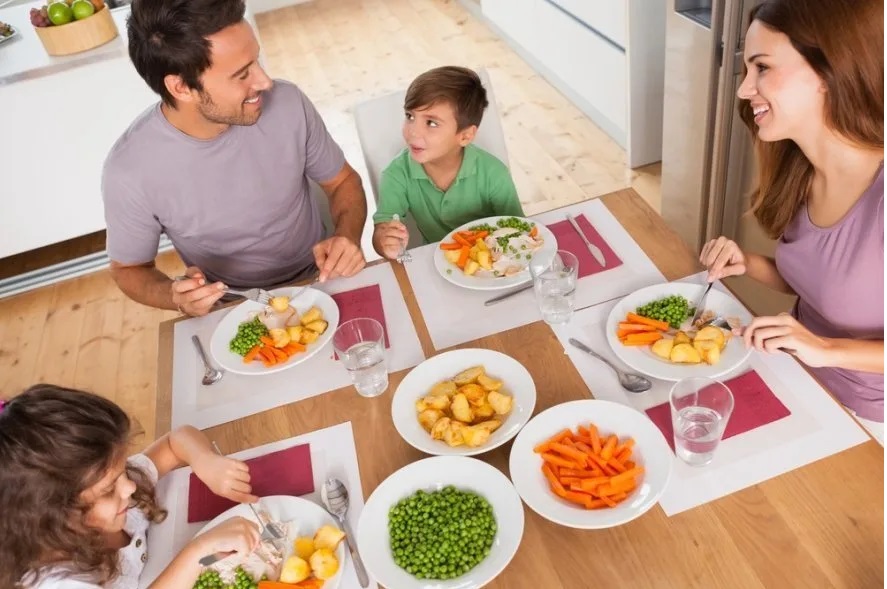
Vegetables can become a more consistent part of meals when they receive noticeable space on the plate. Their different colors and textures can also make meals more appealing while encouraging variety.
- Choose several vegetable colors.
- Rotate options throughout the week.
- Include both raw and cooked vegetables.
- Add vegetables to favorite dishes.
- Include Satisfying Protein Sources
Protein can contribute to satisfying meals and works well alongside vegetables and carbohydrates. Including a suitable source at mealtimes can make the overall plate feel more complete.
- Consider beans, lentils, eggs, fish, or lean meats.
- Vary protein choices across different meals.
- Pair protein with vegetables.
- Use suitable serving amounts.
- Choose Carbohydrates Thoughtfully
Carbohydrates can be part of a balanced meal when selected and portioned mindfully. Whole grains, legumes, and other nourishing choices can provide variety and complement other foods on the plate.
- Select nutrient-rich carbohydrate options.
- Combine them with protein and vegetables.
- Vary grains and other choices.
- Pay attention to preparation methods.
- Practice Mindful Eating
Thoughtful portioning becomes more meaningful when people pay attention while eating. Slowing down and noticing hunger and fullness can encourage a more comfortable relationship with meal portions.
- Eat at a relaxed pace.
- Chew food thoroughly.
- Limit unnecessary distractions.
- Pause to notice satisfaction.
- Make Portioning A Daily Habit
Consistency can make thoughtful food portioning feel natural over time. Rather than treating balanced portions as a temporary practice, people can incorporate simple habits into regular meal preparation.
- Plan meals around different food groups.
- Prepare ingredients in advance.
- Serve reasonable portions from the beginning.
- Review meal variety throughout the week.
- Keep Choices Flexible
Healthy portioning does not need to mean following rigid rules. Flexible habits allow people to enjoy different foods while maintaining awareness of balance and serving sizes.
- Adjust portions according to hunger.
- Enjoy a variety of foods.
- Allow room for occasional favorites.
- Return to regular habits after special meals.
Thoughtful portioning can become an effortless part of daily eating when supported by simple visual organization, varied food choices, and mindful habits. By creating balanced meals and paying attention to serving sizes, individuals can build a positive routine that makes everyday food decisions clearer, practical, and enjoyable.