How to Integrate Pneumatics into Industrial Automation?
Integrating pneumatics into industrial automation can significantly enhance operational efficiency, reduce production costs, and improve the flexibility of manufacturing processes. Pneumatics, which utilizes compressed air to transmit and control energy, is widely used in various applications, from simple tasks like actuating cylinders to complex processes involving robotics and material handling. The integration of pneumatic systems into industrial automation involves several key steps, each contributing to a seamless and efficient operational framework. The first step in integrating pneumatics into an automated environment is assessing the specific requirements of the production process. This includes identifying tasks that can benefit from pneumatic actuation, such as assembly, sorting, packaging, and material handling. Once potential applications are identified, it is essential to analyze the existing systems and workflows to determine how pneumatic technology can be effectively incorporated. This may involve evaluating the compatibility of pneumatic components with current equipment, including sensors, controllers, and PLCs Programmable Logic Controllers. After establishing a clear understanding of the application and system requirements, the next step is to design the pneumatic system.
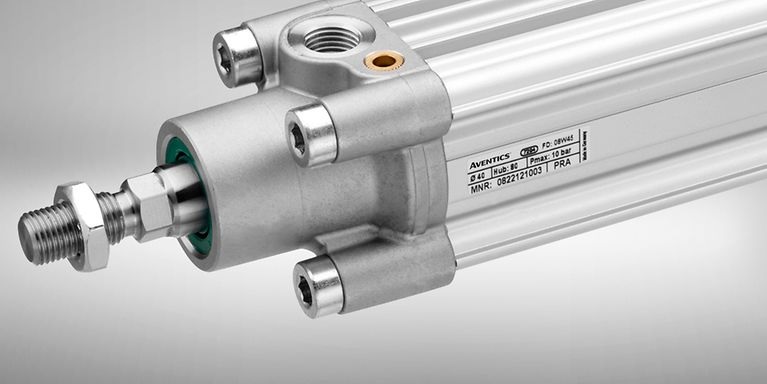
This design should consider factors such as the type of actuators needed e.g., cylinders, grippers, air supply requirements, and control mechanisms. The selection of components is crucial; for instance, choosing between single-acting and double-acting cylinders can impact the efficiency and effectiveness of the application. Additionally, the layout of the pneumatic cylinders manufacturer system should minimize the length of tubing and connections to reduce air loss and improve response times. Following the design phase, the installation of the pneumatic system is critical. Proper installation includes ensuring that all components are securely mounted, air supply lines are correctly routed, and all fittings are sealed to prevent leaks. During installation, it is vital to adhere to safety standards and regulations to protect personnel and equipment. The installation process may also involve integrating the pneumatic system with existing control systems, which can include programming PLCs to manage pneumatic operations efficiently. This integration allows for precise control of actuators based on input from sensors, enabling real-time adjustments to the production process.
Once the pneumatic system is installed, testing and commissioning are essential to ensure optimal performance. This stage involves running the system under various operational conditions to identify any issues or inefficiencies. During testing, it is important to monitor key parameters, such as air pressure, flow rates, and response times, to validate that the system operates as intended. Any necessary adjustments should be made to improve performance and reliability. Ongoing maintenance is a crucial aspect of integrating pneumatics into industrial automation. Regular maintenance schedules should be established to check for leaks, wear, and proper functioning of components. Implementing predictive maintenance techniques, such as monitoring air consumption and pressure drops, can help identify potential issues before they lead to system failures. This proactive approach ensures that the pneumatic system remains efficient and minimizes downtime. Furthermore, training personnel on the operation and maintenance of pneumatig systems is essential for successful integration. Employees should be familiar with the equipment, safety protocols, and troubleshooting procedures to maximize productivity and ensure a safe working environment.