Day: May 5, 2025

Explore the Latest in Artistic Window Trends That Blend Beauty with Purpose

In 2025, window design has evolved into a harmonious blend of aesthetics and functionality, reflecting a shift towards more personalized and sustainable living spaces. One prominent trend is the resurgence of stained glass, which infuses interiors with color and narrative. Modern artisans are reimagining this traditional craft, creating bespoke pieces that tell personal stories and serve as focal points within a room.  Biophilic design continues to influence window trends, emphasizing a connection to nature. Large, floor-to-ceiling windows not only maximize natural light but also blur the boundaries between indoor and outdoor spaces, fostering a sense of openness and tranquility. These expansive glass installations often incorporate sustainable materials, aligning with the growing demand for eco-friendly home solutions.

Window Designs

Smart technology integration is another key development in window design. Windows equipped with sensors can adjust tint and transparency in response to environmental conditions, enhancing energy efficiency and comfort. Automation extends to window treatments as well, with motorized blinds and curtains offering convenience and improved control over light and privacy.  Minimalist aesthetics are gaining traction, with frameless and slim-profile windows providing a sleek, modern look. These designs not only contribute to a clean architectural style but also allow for unobstructed views, reinforcing the connection to the surrounding environment.

Customization is at the forefront of window design, with homeowners seeking unique shapes and finishes to express their personal style. Arched and asymmetrical windows add architectural interest, while a variety of color options, including earthy tones and bold contrasts, enable further personalization and check my source https://baileylineroad.com/minimalist-design-maximum-impact-combining-multi-slide-patio-doors-and-tilt-and-turn-windows/.  The use of natural and recycled materials in window construction reflects a broader commitment to sustainability. Materials like bamboo, reclaimed wood, and recycled aluminum are not only environmentally responsible but also add warmth and texture to interior spaces. This approach aligns with the overall trend of creating homes that are both beautiful and mindful of their ecological impact. Windows also play a significant role in the concept of sustainability in modern design. With a greater emphasis on energy efficiency and environmental consciousness, windows are being designed to maximize energy performance while minimizing environmental impact. Modern windows come with advanced glazing and insulation technology that helps to regulate indoor temperatures, reduce energy consumption, and improve overall sustainability. By thoughtfully integrating windows into the design, architects and designers can create homes that are not only beautiful but also environmentally responsible, making windows a critical element in the sustainable home of the future.

Why Chain Link Fencing Is the Best Choice for Security and Durability

Chain link fencing stands out as one of the best choices when it comes to security and durability, making it a popular option for residential, commercial, and industrial properties alike. One of the primary reasons for its widespread use is the balance it offers between cost-effectiveness and high functionality. Compared to other fencing types like wood, wrought iron, or vinyl, chain link fencing provides a strong physical barrier without breaking the bank, making it accessible for a variety of budgets. Its design, which consists of interwoven galvanized steel wires, creates a tough mesh that is difficult to cut or break, providing excellent security against intrusions. In terms of security, chain link fences act as a visible deterrent to potential trespassers or criminals. The see-through nature of the mesh allows for easy monitoring of activities on both sides of the fence, which is a key advantage for properties requiring constant surveillance, such as schools, parks, sports facilities, and warehouses. This transparency does not compromise privacy but instead enhances security by eliminating hiding spots that solid fences might create.

Quality Fence Installation

Additionally, chain link fences can be enhanced with additional security features like barbed wire or razor wire on top, motion sensors, or security cameras, making them even more formidable barriers to unauthorized access. Durability is another major benefit of chain link fencing. The material used typically galvanized or vinyl-coated steel ensures resistance to harsh weather conditions, corrosion, and rust. Unlike wooden fences that may warp, rot, or require frequent maintenance, chain link fences can withstand years of exposure to sun, rain, snow, and wind without degradation. The galvanized coating acts as a protective layer that prevents rust from forming, which is crucial for maintaining the fence’s strength and appearance over time. Vinyl coatings add an additional layer of protection while also improving the fence’s aesthetic appeal by offering color options that blend with the environment. Maintenance for chain link fencing is minimal compared to other fencing materials. It does not require painting, staining, or sealing, which reduces the time and money spent on upkeep. Occasional cleaning and inspections to check for damage are typically sufficient to keep the fence in top condition.

This low-maintenance characteristic makes chain link fencing especially attractive for businesses or property owners who want reliable security solutions without the hassle of constant repairs. Another important aspect is the versatility of chain link fencing. It can be installed on uneven terrain, customized to different heights, and used for a variety of purposes ranging from enclosing swimming pools to securing construction sites. Its modular design allows for easy extensions or modifications, meaning the fence can grow alongside the needs of the property and read this post here. This adaptability combined with the strong, durable materials makes chain link fencing a long-term investment that continues to provide value for years. Chain link fencing excels as a security solution due to its tough, tamper-resistant design and transparent structure that aids monitoring. Its durability, driven by corrosion-resistant materials and minimal maintenance requirements, makes it a practical choice for environments exposed to all kinds of weather. The affordability and flexibility of chain link fencing further enhance its appeal, making it the best option for those seeking a secure, long-lasting fencing solution that does not compromise on strength or ease of upkeep.

Probiotics for Women Support Energy, Balance, and Daily Wellness

In today’s fast-paced world, maintaining daily wellness is more important than ever, especially for women who juggle a wide range of responsibilities and challenges. One increasingly popular way to support overall health and vitality is through the use of probiotics. While often associated with digestive health, probiotics offer a host of benefits that extend far beyond the gut. For women, these powerful microorganisms play a crucial role in supporting energy levels, hormonal balance, immune function, and overall well-being. Probiotics are live bacteria and yeasts that are good for your health, particularly your digestive system. They help maintain a healthy balance of gut flora, which is essential not only for digestion but also for nutrient absorption, immunity, and even mental clarity. When the gut is functioning properly, the body can more efficiently convert food into energy. This means that probiotics can help support sustained energy levels throughout the day by improving how your body processes nutrients and manages inflammation.

Beyond energy, probiotics are known to contribute to hormonal balance an especially important benefit for women. The gut microbiome plays a key role in regulating estrogen levels, and disruptions in this system can contribute to symptoms related to PMS, menopause, or hormonal imbalances. By supporting a healthy gut environment, probiotics may help reduce bloating, mood swings, and fatigue, promoting a greater sense of physical and emotional balance. Immune support is another significant benefit of incorporating probiotics into your daily routine. Since a large portion of the immune system resides in the gut, maintaining a healthy microbiome helps strengthen your body’s natural defenses. This is especially beneficial for women with busy lifestyles who may be more susceptible to stress-related immune dips. With regular use, probiotics can help reduce the frequency of illness and keep your immune system resilient year-round. Women also often deal with specific health concerns such as urinary tract infections UTIs and yeast infections, both of which can be impacted by gut and vaginal micro biota.

Certain probiotics for women strains, particularly Lactobacillus, can help maintain a healthy balance of bacteria in the vaginal area, reducing the likelihood of infections and promoting overall reproductive health. Ultimately, probiotics offer a simple, natural way to support women’s health on multiple fronts. Whether taken through supplements or from fermented foods like yogurt, kefir, or sauerkraut, incorporating probiotics into your daily routine can make a noticeable difference in how you feel. From boosting your energy to supporting hormonal balance and immune health, probiotics provide foundational support for everyday wellness. As with any supplement, it is important to choose high-quality products tailored to women’s needs and consult with a healthcare provider, especially if you have underlying health conditions. But for many women, probiotics are a safe, effective way to feel more energized, balanced, and well every day.

Sustainable Stone Choices for Eco-Conscious Construction

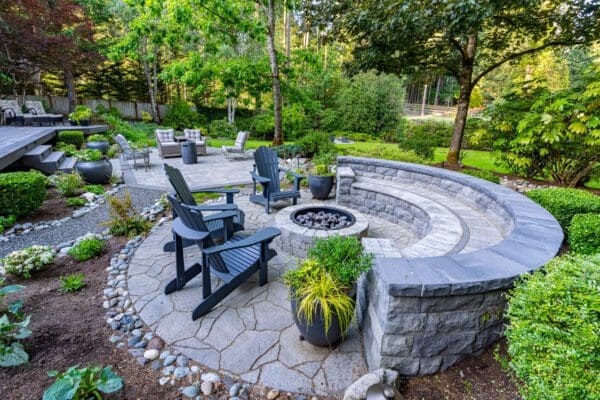
Choosing sustainable materials is essential for reducing the environmental impact of construction projects, and natural stone presents a compelling option for eco-conscious builders. Among the wide variety of building materials available, stone stands out for its durability, low maintenance, and minimal processing requirements. Unlike synthetic materials that often rely on energy-intensive manufacturing and chemical treatments, natural stone is harvested directly from the earth and can be used with minimal alteration. This means that the carbon footprint associated with quarrying, cutting, and transporting stone is significantly lower than that of many man-made alternatives. One of the key advantages of using natural stone is its longevity. Buildings constructed with stone can last for centuries, reducing the need for frequent repairs or replacements. This long lifecycle contributes to lower resource consumption over time, a critical factor in sustainable design. Additionally, many types of stone are recyclable and can be reclaimed from old buildings for reuse in new construction, further reducing waste and the demand for new raw materials.

Classic Sandstone Design Touches

Thermal performance is another benefit of natural stone. Stone has excellent thermal mass, meaning it can absorb, store, and gradually release heat. This property helps regulate indoor temperatures, reducing the need for artificial heating and cooling. In climates with significant temperature variation, stone can enhance energy efficiency by stabilizing internal conditions and lowering reliance on mechanical systems. This not only reduces energy consumption but also contributes to lower greenhouse gas emissions associated with building operations. The environmental impact of stone can be further minimized by choosing locally sourced varieties. Transporting heavy materials over long distances can contribute significantly to a project’s carbon footprint. By selecting stone that is quarried close to the construction site, builders can support regional economies and reduce emissions associated with transportation. Additionally, using indigenous stone helps ensure that the material is well-suited to the local climate and building traditions, which can enhance both the performance and aesthetic harmony of the finished structure.

Stone also contributes to healthy indoor environments. Unlike synthetic materials that may emit volatile organic compounds or other pollutants, natural stone is inert and does not release harmful substances into the air. This characteristic makes it a favorable choice for improving indoor air quality and creating safer, more comfortable living and working spaces. Furthermore, natural stone’s resistance to mold, pests, and moisture adds to its appeal as a sustainable building material. This circular approach supports the principles of sustainable development by promoting the efficient use of natural resources. Ultimately, selecting stone for eco-conscious construction is about more than just aesthetics. It involves considering the entire lifecycle of the material from extraction and processing to use and eventual reuse. When chosen thoughtfully, natural stone offers a balance of beauty, performance, and environmental responsibility and learn more info in this webpage https://blog.sampleboard.com/stone-center-spotlight-sustainable-sourcing-and-eco-friendly-options/. Its enduring qualities make it an ideal material for projects aiming to meet both functional needs and sustainability goals. By integrating stone into green building practices, architects and builders can contribute to a more resilient and ecologically responsible built environment.