Severe bleeding can happen unexpectedly during daily activities, outdoor adventures, sports, or household accidents. Knowing how to respond quickly and calmly can make a major difference before professional medical help arrives. What is the most effective way to stop an arterial bleed when there is no object still in the wound? Simple first aid actions can reduce blood loss, support recovery, and improve safety for the injured person.
Stay Calm and Assess the Situation
The first step during any emergency is to remain calm and focused. Panic may slow down decision making and reduce the effectiveness of first aid efforts.
Important actions to take:
- Check the injured person for visible wounds
- Look for heavy or continuous bleeding
- Make sure the surrounding area is safe
- Ask the person to stay still and relaxed
- Call for emergency medical assistance immediately
A calm approach helps create a safer environment and allows quicker treatment.
Apply Direct Pressure Immediately
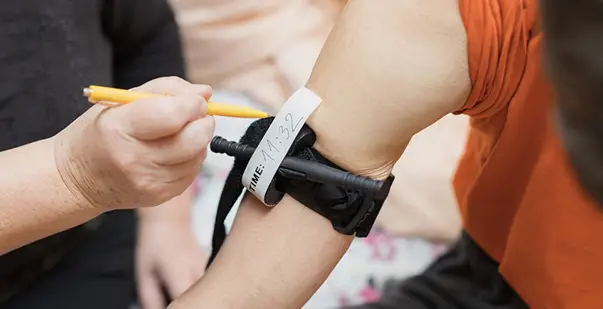
Direct pressure is one of the most effective ways to slow or stop bleeding. A clean cloth, sterile dressing, or soft fabric can help protect the wound while pressure is applied.
Steps for direct pressure:
- Place the material directly over the wound
- Press firmly using both hands if needed
- Maintain steady pressure without removing the covering
- Add another layer if blood soaks through
- Continue applying pressure until help arrives
Removing the cloth repeatedly may disturb clot formation, so steady pressure is important.
Elevate the Injured Area
Raising the injured body part slightly above heart level may help reduce blood flow to the wound when possible.
Helpful reminders:
- Elevate arms or legs carefully
- Avoid unnecessary movement
- Support the injured limb with soft items
- Stop elevating if it causes pain
This method works best alongside direct pressure.
Use Protective Barriers
Keeping both the helper and injured person protected is an important part of emergency care.
Useful protective items:
- Disposable gloves
- Clean towels
- Gauze pads
- Plastic barriers if gloves are unavailable
Protective barriers reduce contact with blood and help maintain cleanliness around the wound.
Recognize Signs of Serious Blood Loss
Some bleeding situations require urgent attention because heavy blood loss can affect the entire body.
Warning signs include:
- Pale or cold skin
- Rapid breathing
- Weakness or dizziness
- Confusion or fainting
- Fast heartbeat
- Extreme fatigue
If these signs appear, immediate medical support is essential.
Keep the Injured Person Comfortable
Comfort and reassurance can help reduce stress and support stability during emergencies.
Ways to provide comfort:
- Speak calmly and clearly
- Encourage slow breathing
- Keep the person warm with a blanket or jacket
- Prevent unnecessary movement
- Stay nearby until help arrives
Positive reassurance may help the injured person remain more relaxed and cooperative.
Avoid Common Mistakes
Certain actions can make bleeding worse or slow recovery.
Avoid these errors:
- Removing deeply embedded objects
- Applying excessive movement to the wound
- Using unclean materials
- Delaying emergency assistance
- Ignoring signs of shock
Careful handling supports safer and more effective first aid.
Build Confidence through Preparation
Learning basic bleeding control skills can increase confidence during emergencies. Keeping a simple first aid kit nearby and understanding essential techniques allows faster response when accidents occur.
Smart preparation tips:
- Store clean dressings at home and in vehicles
- Learn basic first aid techniques regularly
- Teach family members emergency response steps
- Replace used or expired supplies promptly
Quick thinking, calm action, and proper bleeding control methods can provide valuable support during emergencies and help protect lives until professional care becomes available.